
Understanding the psychological impacts of gambling on decision-making processes
Understanding the psychological impacts of gambling on decision-making processes
The Nature of Gambling and Its Appeal
Gambling captivates individuals through a blend of excitement and the possibility of financial gain. The thrill associated with wagering creates an emotional high, leading many to engage repeatedly. For instance, many people find themselves drawn to an online casino because of the allure of easy money. This allure can cloud judgment, pushing people to make decisions based more on emotion than rational thinking.
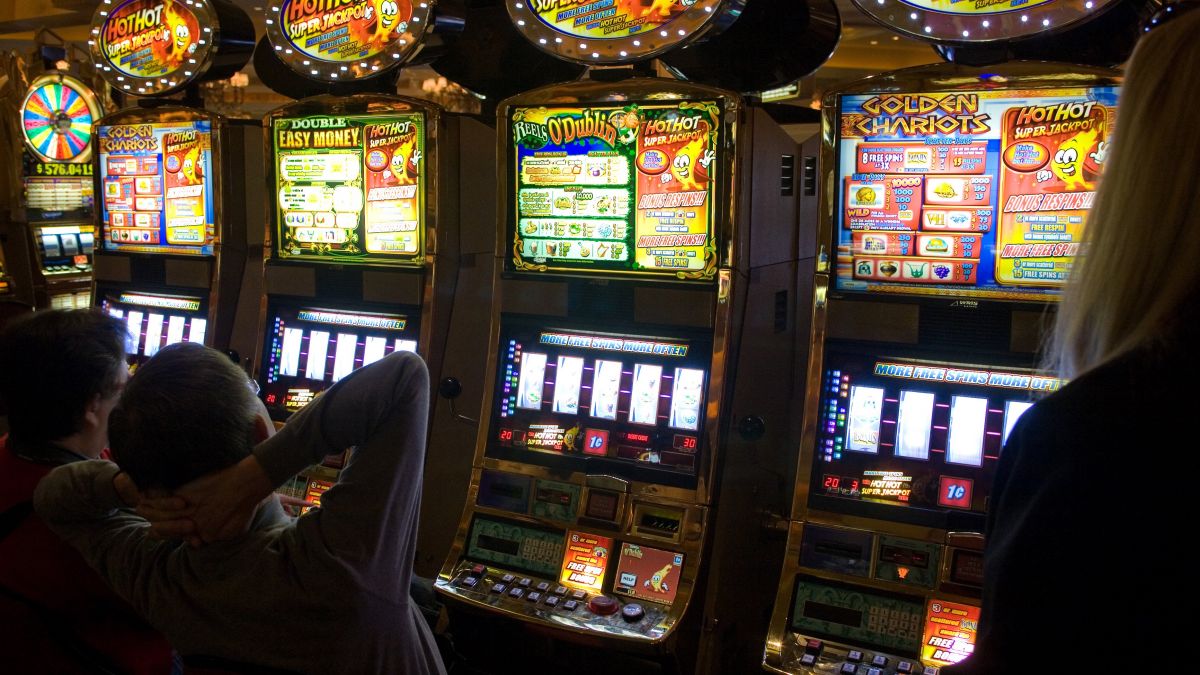
This emotional engagement can lead to a cycle of risk-taking behavior, where players often underestimate the odds of winning. Understanding this phenomenon is crucial for recognizing how gambling impacts personal decision-making, and why many struggle to maintain control over their actions.
The psychology of gambling is deeply rooted in cognitive biases and emotional responses. Players frequently experience what is known as the ‘gambler’s fallacy’, which is the belief that past events influence future outcomes in random situations. This flawed thinking can lead to increased wagers despite previous losses, further entrenching the player in the cycle of gambling.
Additionally, dopamine release during gambling reinforces the behavior. When individuals win, the brain rewards them with pleasurable sensations, making them more likely to gamble again. This neurochemical reaction can distort decision-making processes, leading to impulsive behaviors that often result in financial hardship.
Risk perception is significantly altered in gambling scenarios. Many players tend to view the potential rewards as more significant than the actual risks involved. This skewed perception can lead to decision-making that prioritizes short-term excitement over long-term consequences, which can have detrimental effects on one’s financial health.
Furthermore, this distorted risk assessment can be exacerbated by the social environment in which gambling occurs. The presence of friends or peers can create an atmosphere that encourages more significant betting and riskier choices, further impeding rational decision-making.
Individuals often develop coping mechanisms to deal with the stresses associated with gambling. These may include denial of losses or rationalizing continued play as a means to ‘win back’ lost money. Such strategies can be detrimental, leading to a cycle of increased gambling and escalating losses.
Moreover, coping mechanisms can shift decision-making processes, as individuals begin to prioritize gambling over other responsibilities and relationships. This shift can lead to broader implications, impacting one’s overall quality of life and social interactions.

About Our Website
Our platform is dedicated to exploring the psychological impacts of gambling and promoting awareness of its effects on decision-making. We believe in empowering individuals with knowledge to make informed choices about gambling and its implications.
By providing insightful content and resources, we aim to foster a better understanding of gambling behaviors and encourage responsible decision-making. Join us as we delve deeper into the complexities of gambling psychology and its effects on life choices.